






Cable Management 101
- Posted January 19, 2026 by Tina Wood
- In the Wings
Cable Management 101
Cable Management 101
By Rylee Vogel
In the theater world, few offenses are as unforgivable as coiling a cable the wrong way. An improperly wrapped cable twists its internal conductors, shortens its lifespan, and guarantees a mess of knots, kinks, and crackles the next time it’s pulled from the case. Over-under coiling isn’t just a technique- it’s a sign of respect for the gear, the crew, and the show itself. Do it right and the cable lays flat, deploys cleanly, and lasts for years. Do it wrong and you’ve just handed the next technician a problem before the first cue even fires. You’ll be banished like Quasimodo to the bell tower.
Now that we’ve established the incredible seriousness of a neatly coiled cable, we present:
Cable Management 101
Making sure that you and your students understand how to properly manage different cables is a foundational skill in technical theater. In a space where lighting, sound, video, and practical elements rely on wiring, cable management directly impacts safety, efficiency, and the overall success of a production. When done correctly, it can increase a program’s cost efficiency, lower long-term maintenance costs, and promote a safer learning environment for everyone involved.
Taking the time to intentionally teach best practices helps students develop professional habits while protecting both people and equipment.
Why Does it Matter?
Safety
Maintaining a safe environment for students should always be a top priority. Exposed wire poses a major electrical risk. Even a covered cable can still become a trip hazard if it is not managed properly. Backstage spaces are often dark, crowded, and fast-moving, so making sure cables are properly maintained in a school setting is key to preventing any injury.
Efficiency
During a performance, timing is everything. When something goes wrong during tech rehearsals or a live show, the ability to quickly identify and fix a problem matters. Well-managed cables makes troubleshooting faster and less stressful.
Preparation for the Future
Having good cable habits is a necessity and is expected in the industry. Teaching students how to properly handle, label, and store cables prepares them for college programs, internships, and professional work in the technical industry.
Beyond theater, organization and attention to detail are valuable skills that can be applied to any profession. It shows care and dedication.
Equipment Longevity
Cables are expensive, and school theater budgets are often limited. Proper handling and storage extends the life of expensive cables and gear. Avoiding kinks, stress, and internal damage means fewer replacements and repairs. Taking care of cables is one of the simplest ways to run a more cost-effective program.
Proper Technique
Coiling
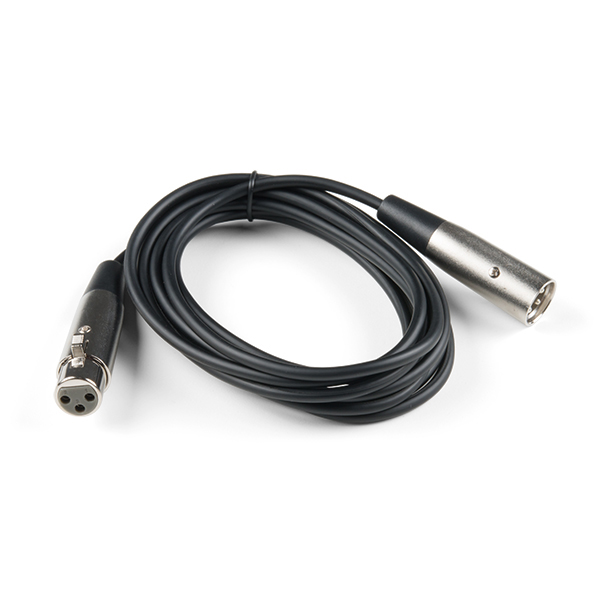
One of the first lessons you must learn in cable management is proper coiling. The over-under technique is the industry standard and should always be practiced.
In this method, the first loop is created by draping the cable over your hand (the “over”). For the next loop, you flip your dominate hand (or the hand holding the uncoiled cable) over and bring the next loop under the hand holding the coil (the “under”). This process repeats, alternating between over and under loops.
A properly coiled cable will lie flat and have no kinks, tangles, or internal wire damage. Using this method will promote the longevity of your cables and will make uncoiling seamless. Here is a Youtube tutorial explaining how to execute this concept.
It is important to never wrap cables around your arm to coil them. This may seem faster, but it causes irreversible internal damage over time, and it can lead to challenging knots and tangles.
It is also important to use Velcro, not tape, for storage. Tape leaves residue and can damage jackets over time. Velcro is removable, reusable, and will keep your cables coiled.
Labeling
Labeling cables will save you time in the end. There is nothing worse than having a connection issue without knowing where a cable begins or ends. Labeling both ends of a cable whenever possible is the best practice.
Common labeling methods include console tape, heat shrink, or color-coded tape systems. Labels can indicate length, department (lighting, sound video, etc.), location, or use. Even simple labels can improve efficiency.
Labeling is particularly important backage and in the booth. By keeping operator areas tidy, the risk for accidental unplugging goes down.
Cables on the Floor
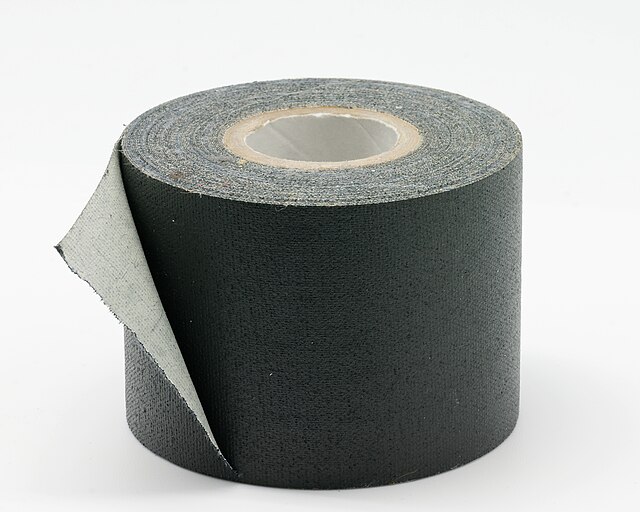
Gaff tape is a technician’s best friend. Keeping cables taped down in high foot traffic areas is key to avoiding trip hazards or unnecessary tangling. However, it is important to never tape over connectors because it could cause damage and become difficult to remove safely.
Keep the cables out of egress paths whenever possible. In an emergency, even a well taped cable can still be a hazard when people are moving quickly.
When taping, use gentle “U” shapes to reduce strain. Cables should never be stretched tightly across the floor. If your budget allows, cable ramps or mats are excellent tools for reducing trip hazards and keeping cables organized in high-traffic areas.
Storage
Once a production ends and the equipment goes into storage, it is important that the cables are properly stored. Make sure they are coiled, labeled, and sorted by length and type.
There are many options for storage, but peg boards, bins, and crates all will suffice depending on your department’s resources. The key is consistent organization.
It may also be helpful to keep an inventory list. Tracking cable lengths, types, and condition allows programs to monitor loss and plan future productions more effectively.
Common Mistakes
Gaff Tape vs. Electrical Tape
Electrical tape is not gaff tape, and the two should not be used interchangeably. Gaffer tape is cloth-backed, matt, and easy to remove from floors and cables. It should be used for taping down cables or marking stages.
Electrical tape is vinyl and designed for insulation. It will leave a sticky residue and should only be used for insulating live wires (not for floor runs).
Knotting Cables
It may be tempting to knot a cable to shorten it; however, this should be avoided at all costs. Knotting creates an uneven surface and potentially creates trip hazards. It will also damage the internal wiring over time, shortening the life of the cable and potentially stopping it from working.
Leaving Tension on Connectors
Leaving tension on the cable connectors will stress the internal wires and solder points. This can lead to breaks, intermittent connection, and eventual failures. Always allow slack near connectors and ensure cables are supported properly.
Teaching Cable Management
When teaching cable management, it is important to reinforce that caring for cables is everyone’s responsibility- not just the teachers or a specific member of the crew. All students working in the theater should receive training in basic cable handling and care.
Incorporating cable management into crew training, daily routines, and strike helps instill good habits and an appreciation for the technical craft. Assigning student leaders to oversee organization can also encourage accountability.
Wrapping Up
Good cable management is a necessity for any theater program. It will keep students safe, make productions run smoother, teaches real-world technical skills, and can save the school money in the long run. By modeling and teaching good techniques, you help students build habits they can carry with them into future educational and professional environments.

It's Showtime!
We are very excited to launch our “In the Wings” blog at Wenger. Of course, you’ve known Wenger since you stepped foot on the theatre stage or sang your heart out standing on the choral risers. Now as an performing arts professional, you’re molding and guiding performers every day, and we’d love to help. You can subscribe, or follow us on social channels so you never miss a post.
Want more from
In the Wings?
Sign up to receive the latest posts!
Comments are closed.